Deep Cleaning in Barnet for homes and workplaces that need a thorough reset

Deep Cleaning Barnet provides a detailed, room-by-room cleaning service for homes and workplaces that need more than a routine tidy. The work focuses on built-up dirt, neglected corners, heavier use areas and the places that are often skipped during standard maintenance. If you want a more intensive clean before moving back into a property, after a busy period, or simply to bring key rooms back to a higher standard, our service is designed around that deeper level of attention.
We approach each clean as a practical refresh rather than a surface wipe-down. That can include careful treatment of fittings, fixtures, edges, accessible surfaces and other areas where grime tends to gather over time. Because every property is different, the best starting point is usually to consider the rooms that need the most work, the materials involved and any items that deserve extra care. If you are comparing options, pricing and quotes can help you begin planning the right scope.
For many customers, the value of a deep clean is that it restores a sense of order without requiring you to manage all the detail yourself. You may need help with a one-off clean, seasonal attention, or a more focused service after decorating or heavy use. Tell us what needs attention, and we can shape the work around the property and the areas that matter most. If you already know you want to go ahead, you can contact us to request a quotation.
What our deep cleaning service covers
Deep cleaning is broader than everyday housekeeping because it gives proper time to the areas that collect residue, dust and marks. In a typical booking, that means paying attention to skirting edges, high-touch points, hard-to-reach corners, bathroom fittings, kitchen surfaces and other parts of the property that benefit from a more systematic approach. The aim is not just to make things look presentable, but to leave the space cleaner in places that are often overlooked.
Depending on the property and the agreed scope, we can focus on individual rooms or carry out a full-property clean. That might involve moving through a kitchen in a careful sequence, working around fixtures, paying close attention to splash-prone areas and making sure accessible surfaces are cleaned in a sensible order. In living spaces, it can include dust removal, surface cleaning and a more detailed treatment of commonly used touchpoints. For a broader overview of the service, see our deep cleaning page.
Areas commonly included
The exact checklist is shaped by the layout and condition of the property, but a deep clean commonly gives time to several important zones:
- kitchens, including worktops, splashbacks and accessible cupboard fronts
- bathrooms, with attention to taps, sanitary fittings and tiled surfaces
- living rooms and bedrooms, where dust and marks build up on reachable surfaces
- hallways, stairs and landings, which often show everyday wear first
- details such as switches, handles, edges and other frequent touchpoints
Kitchen and bathroom deep cleaning

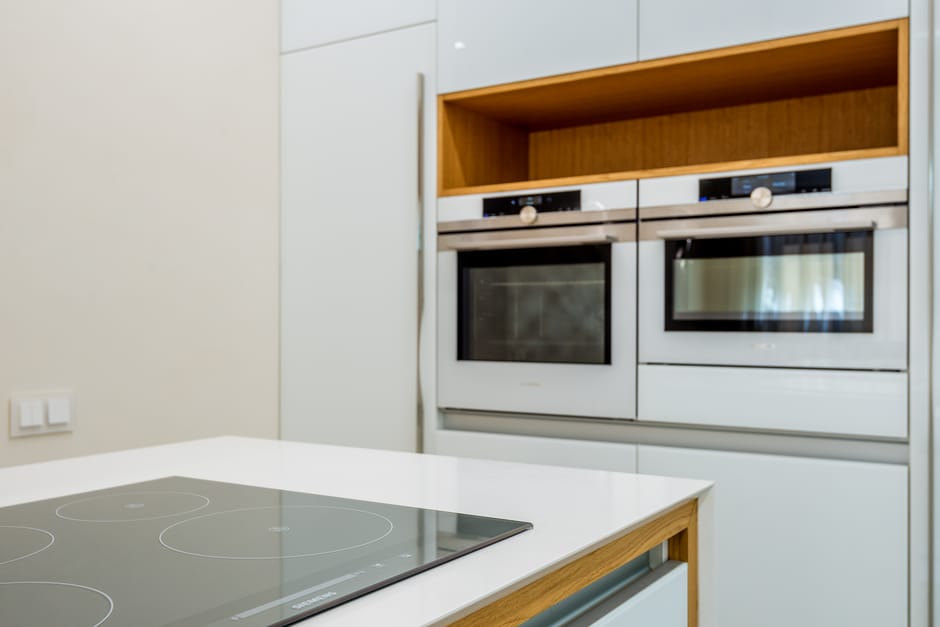
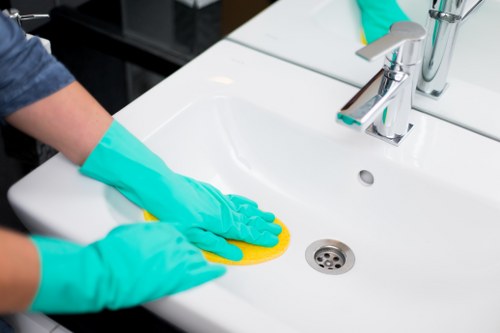
Kitchens and bathrooms usually take the most detailed cleaning because they combine moisture, frequent use and a high number of contact points. In the kitchen, a deep clean may concentrate on grease-prone areas, built-in surfaces, visible residue and the parts of the room that are easiest to miss during day-to-day upkeep. In the bathroom, the emphasis is on limescale, soap build-up, sink and toilet surroundings, tiled sections and fittings that need patient attention. These spaces often benefit from a slower, more methodical approach.
When these rooms are cleaned properly, the result is usually more consistent than a quick pass over the obvious areas. We work through the room in stages so that attention is given to the sequence that makes sense for the surfaces involved. For example, some finishes need lighter handling, while others can take more direct cleaning methods. That judgement matters because a deep clean should improve the room without creating avoidable wear. If kitchen or bathroom work is your main priority, a one-off cleaning visit can be a useful way to organise it.
Many customers ask for these rooms on their own, while others include them as part of a whole-property deep clean. Either approach can be sensible. If the rest of the property is in fair condition, targeting the busiest rooms may be enough to make a noticeable difference. If several spaces need attention at once, it can be simpler to plan the full clean together rather than splitting it into separate visits. A clear brief helps us focus the time where it matters most.
Living areas, bedrooms and occupied spaces
Living rooms, bedrooms and other occupied spaces tend to collect dust on surfaces, around edges and on frequently touched items. A deep clean in these rooms gives more time to details such as furniture surrounds, reachable ledges, skirting boards and items that are often cleaned only lightly in routine maintenance. Where appropriate, we also pay attention to the general finish of the room so that it feels more settled and less cluttered visually.
These spaces usually do not need the heavy-duty treatment that kitchens and bathrooms demand, but they still benefit from careful work. A thorough service can make the difference between a room that has simply been tidied and a room that feels properly refreshed. For people preparing a property for guests, following a period of heavy use or bringing a rental back to a better standard, this broader attention is often important. Our domestic cleaning page explains the wider home-based service options available.
If there are particular fabrics, furniture pieces or delicate finishes in the room, it is sensible to mention them early so the cleaning plan can be adjusted. That keeps the work practical and helps avoid assumptions. Good results come from matching the method to the material, especially where polished, painted or textured surfaces are involved. The aim is to clean effectively while respecting the condition of the room.
After building work, renovation or decorating
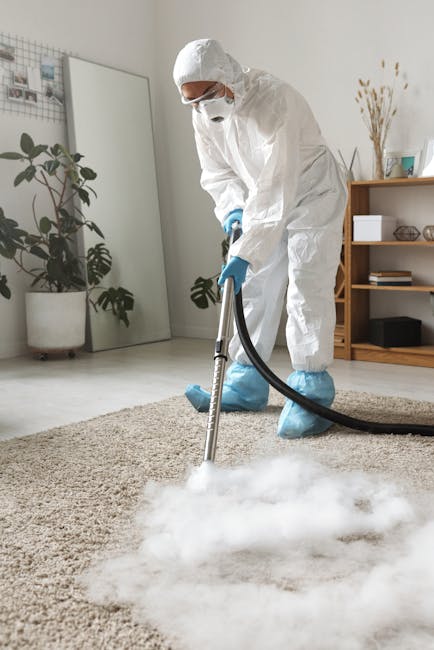
Post-project cleaning needs a more detailed approach because dust, fine particles and marks from work activity can spread into many parts of the property. After builders’ cleaning usually involves clearing visible debris, dealing with settled dust, wiping accessible surfaces and paying close attention to edges, fittings and fixtures that collect residue during the work. It is a useful option when a room is technically finished but still not comfortable to use.
This type of clean often requires care around flooring, paintwork and recently fitted features. Different materials can call for different methods, and there is value in working steadily rather than rushing. If a property has just been decorated, fitted out or altered, the cleaning stage should support the finish that has already been achieved. For that reason, our after builders’ cleaning service is structured around the practical realities of post-work mess rather than general day-to-day dirt.
Where there is a lot of fine dust, the best results usually come from a planned sequence rather than a random approach. We can work around the areas that are already complete and accessible, keeping the clean focused on visible residue, contact points and the spaces that customers are most likely to use first. If you are unsure whether a room is ready for a deep clean or needs a post-build clean instead, a brief description of the condition is usually enough to help us guide the enquiry.
Floor, fabric and surface care

Some of the value in a deep clean comes from dealing properly with materials that respond differently to cleaning products and tools. Hard floors, soft furnishings, rugs and upholstered items all have their own requirements, and it is important to use suitable methods rather than a one-size-fits-all approach. That is why a detailed clean may include focused work on the surfaces most likely to hold dust, stains or embedded dirt.
Our related service pages cover several of those material-specific options. If your property needs care for floor finishes, see hard floor cleaning; for seating and similar furniture, there is upholstery cleaning; and where carpets or rugs need extra attention, the relevant pages are carpet cleaning and rug cleaning. Each of these can sit alongside a wider deep clean when the property has mixed surface types.
It is often worth prioritising the items that affect the room most visibly and the surfaces that are used every day. That can mean a floor that looks dull, a sofa that gathers crumbs and dust, or a rug that has lost its fresh appearance. A good plan keeps the work practical by matching the level of care to the condition and use of each item, rather than applying the same treatment everywhere.
How to plan a quotation
When you ask for a quotation, the most useful information is usually a clear description of the property size, the rooms you want included and any areas that need particular attention. It also helps to note whether the property is occupied, empty, recently decorated or being prepared for a move. That gives a cleaner picture of the task and makes it easier to understand whether a partial clean or a full deep clean is the better fit.
Photos can be helpful when there are specific problem areas, but a written description is still important because it explains what matters most to you. If there are surfaces that need care, access issues that affect the timing, or rooms that should be excluded, mention those points up front. That keeps the estimate realistic and reduces back-and-forth. For customers comparing service levels, our cleaning company page gives a broader sense of how the work is organised.
Information that helps most
To make the quotation process straightforward, it is useful to include:
- the property type and how many rooms need cleaning
- whether the work is a one-off, post-project or routine deep clean
- any especially dirty rooms, fixtures or surfaces
- details about access, parking or entry arrangements
- notes about delicate materials or items that need care
End-of-tenancy and move-related cleaning
Move-related deep cleaning is often more structured because the property may need to be returned to a specific standard before keys are handed over or before new occupants arrive. In those situations, the clean usually covers a wider selection of rooms and more detailed attention to kitchens, bathrooms and overlooked corners. The objective is to leave the property presentable, hygienic and ready for the next stage.
Different properties call for different priorities. A furnished tenancy may involve more contact points and surface cleaning, while an empty property can allow a more comprehensive pass over fittings, floors and built-in features. If the move is complete and you want a more intensive final clean, end of tenancy cleaning is the most relevant option. If the property is still in general use but requires a reset, a deep clean may be enough without the full move-out scope.
It can be helpful to think about the order in which the property will be used next. Rooms that are needed first deserve the most careful attention, because they shape the first impression of the whole property. That is true whether the priority is a kitchen, a bathroom, a living area or a set of rooms that must all be ready together.
Other cleaning services that can support a deeper clean

Some properties need a broader package rather than a single room-focused service. We can often combine deep cleaning with other relevant work depending on what the property needs. For example, if a workspace is involved, our office cleaning and office cleaners pages describe support for professional environments, while house cleaning and home cleaners are useful references for domestic settings that need regular support as well as a thorough reset.
Some customers also look at oven cleaning or oven cleaner when the kitchen appliance itself is the main concern, or window cleaning if glass and frames need separate attention. Where the property needs a more general one-off visit rather than a repeating arrangement, the cleaner and cleaners pages may be useful starting points for understanding the available service structure.
Not every property needs every add-on service, so it is usually best to choose only the work that supports the result you want. That keeps the plan focused and avoids paying for tasks that do not matter in your situation. Careful selection is often better than an overextended checklist, especially when the aim is a practical deep clean with clear priorities.
About Barnet
Barnet is a large area in north London with a long history that stretches from the medieval period to the present day, and its character is shaped by the mix of old market-town roots, suburban growth and green open space. The name is closely associated with Chipping Barnet, whose historic High Street reflects the area’s past as a settlement on an important route north of the city. Today Barnet covers a wide and varied district rather than a single compact centre, so its identity is formed by a collection of neighbourhoods, main roads and local centres. The borough includes places with distinctly different streetscapes, from older conservation-led areas to later residential developments, and that variety gives the place a layered feel rather than a single uniform character. Monken Hadley retains a village-like atmosphere, while other parts are more urban and closely tied to transport corridors. Green spaces also play a major role in the area’s identity. Hadley Green, Trent Country Park and other open areas provide woodland, walking routes and breathing space within a busy part of outer London. Barnet is also known for its connection to the Battle of Barnet in 1471, an event remembered in the local historic record and in place names around the district. The wider built environment includes parish churches, older terraces, interwar housing and modern retail and residential areas, all of which sit alongside everyday civic life. That mix of history, landscape and settlement pattern makes Barnet a place where old and new features sit close together, with different parts of the district offering different rhythms and architectural styles.
Choosing the right deep clean for your property
The best deep clean is the one that matches the real condition of the property, not just the headline size of the job. Some customers need the whole space cleaned in detail, while others only need specific rooms brought back up to standard. If you are comparing options, think about the surfaces, the amount of built-up dirt and whether the property will be used immediately after the clean. That usually makes the service choice clearer than trying to work from a generic checklist.
It also helps to separate routine maintenance from a true deep clean. Routine work keeps a property presentable, but a deeper service gives attention to places that have been neglected, overlooked or affected by heavier use. For some properties, that means starting with kitchen and bathroom zones and then moving into living areas, bedrooms or circulation spaces. For others, it means focusing on one major issue such as post-build dust or an appliance that needs extra work. If you are ready to discuss the job, request a quotation and we can help you shape the right scope.
Whether the job is domestic, move-related or tied to renovation work, the key is a clear brief and a sensible plan. Say what matters most, name the areas that need the most attention and let us build the clean around that. If you want to move forward, contact us today to arrange a quote for deep cleaning in Barnet.