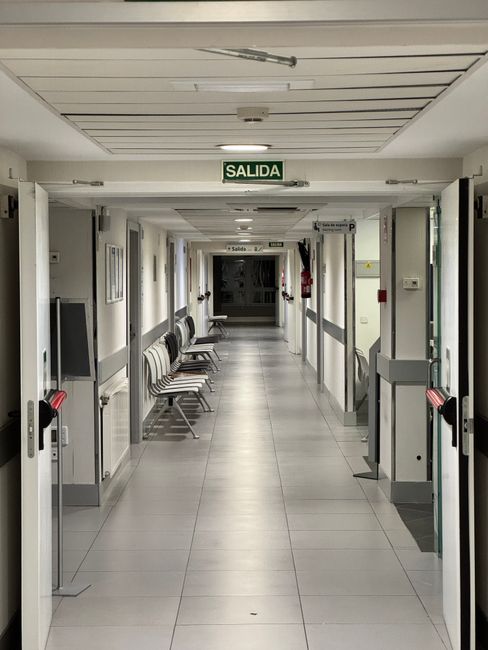
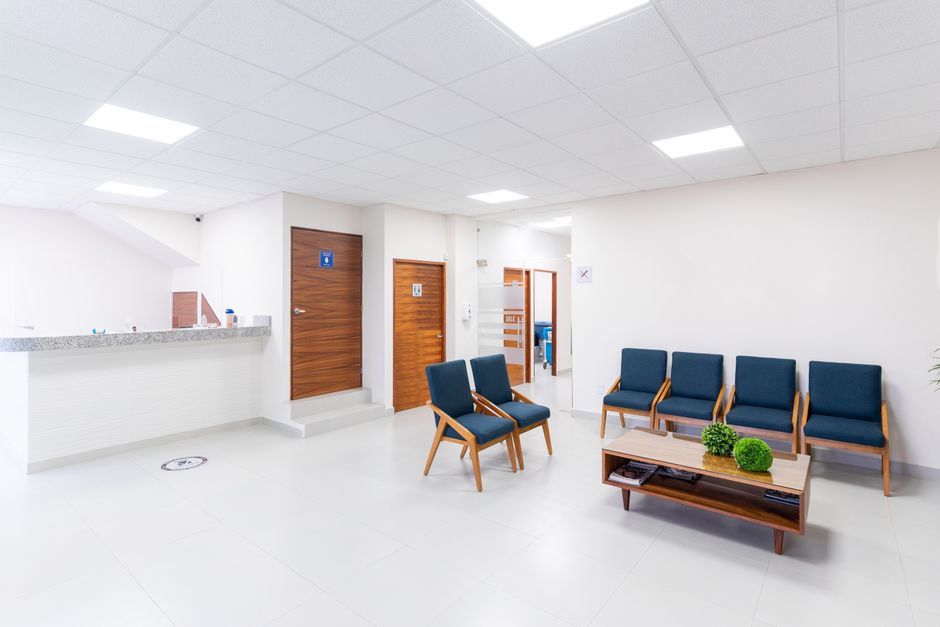
Deep cleaning Barnet Hospital areas: a practical guide for safer, cleaner clinical spaces
Hospital cleaning is never just about appearances. In a place like Barnet Hospital, the standard has to feel calm, controlled, and thorough, because every room, corridor, waiting area, and touchpoint can affect how safe and comfortable people feel. Deep cleaning Barnet Hospital areas is the kind of work that goes beyond a quick tidy or routine wipe-down. It targets the built-up grime, stubborn residues, high-touch surfaces, and hard-to-reach spots that regular cleaning can miss.
If you are responsible for clinical spaces, public-facing areas, or support zones, you already know the pressure. One small oversight can stand out quickly. The good news is that with the right method, the work becomes much more manageable. This guide explains what deep cleaning involves, why it matters, how the process usually works, and what to look for if you are planning a one-off or scheduled clean. It also covers compliance, common mistakes, and a realistic checklist you can use straight away.
For readers who want to understand the wider service context, it can also help to look at the provider's deep cleaning service approach, as well as related support services such as office cleaning and one-off cleaning for spaces that need focused attention.
Table of Contents
- Why deep cleaning Barnet Hospital areas matters
- How deep cleaning Barnet Hospital areas works
- Key benefits and practical advantages
- Who this is for and when it makes sense
- Step-by-step guidance
- Expert tips for better results
- Common mistakes to avoid
- Tools, resources and recommendations
- Law, compliance, standards, or best practice
- Options, methods, or comparison table
- Case study or real-world example
- Practical checklist
- Conclusion
- Frequently asked questions
Why Deep cleaning Barnet Hospital areas Matters
Hospitals are busy, layered environments. Patients move through them at different stages of vulnerability, staff work long shifts, visitors come and go, and support teams have to keep everything moving without creating disruption. That combination makes cleanliness more than a visual standard. It becomes part of the building's daily functioning.
Deep cleaning Barnet Hospital areas matters because hospital surfaces accumulate more than everyday dust. There are fingerprints on doors, residue around handrails, marks on skirting boards, spillages in waiting areas, lint on fabric seating, and build-up in places people rarely notice until it starts looking tired. Around washrooms, kitchens, staff rooms, and recovery spaces, that build-up can quickly turn into a bigger issue if it is not addressed properly. Let's face it, nobody wants to walk into a healthcare setting and immediately notice stale smells, sticky patches, or a half-cleaned corner.
It also matters because hospital areas are not all the same. A public foyer needs a different cleaning focus from a staff changing room. A corridor used by patients on the move has different priorities from an office used for admin work. Deep cleaning is valuable precisely because it lets cleaners target the real problem areas rather than treating every room as if it were identical.
Expert summary: In a hospital setting, deep cleaning is not a luxury or a cosmetic extra. It is a structured reset for hygiene, presentation, and confidence. The strongest results come from planning, the right products, and a clear understanding of what each space actually needs.
There is also a trust factor. People notice when an environment feels cared for. A spotless reception desk, fresher flooring, and properly cleaned high-touch points all send the right message before a word is spoken. In a healthcare building, that message matters a lot.
How Deep cleaning Barnet Hospital areas Works
Deep cleaning is more detailed than routine cleaning, but it should still follow a logical process. The job usually starts with assessment, because you need to know what is in the space, what materials are being cleaned, and where the risk points are. Once that is clear, the cleaning team can decide on product choice, equipment, sequence, and drying time.
In practical terms, a hospital deep clean often includes:
- removing dust and debris from neglected edges, ledges, and corners
- cleaning and disinfecting high-touch points such as handles, railings, buttons, switches, and shared surfaces
- targeting floors with a more intensive treatment, especially where footfall is heavy
- degreasing, descaling, or stain-lifting where appropriate
- cleaning fixtures, fittings, vents, frames, and other often-missed details
- refreshing soft furnishings or specialist surfaces where suitable methods are available
In a live environment, the work also has to be sequenced carefully. You do not want to mop a floor and then have people walking through the area five minutes later, obviously. The process usually moves from high to low, clean to dirty, and low-risk to higher-risk areas. That sounds simple, but it is what separates a tidy sweep from a proper professional result.
For some areas, specialists may also need to combine deep cleaning with related services. For example, if a hospital office or admin suite has carpeted sections, a professional carpet clean can make a real difference to odour, appearance, and wear. If the problem is not just floors but a broader build-up after works or maintenance, after builders cleaning may be part of the job plan too.
The important thing is that the cleaning method matches the surface and the setting. A vinyl corridor floor, a fabric chair, and a stainless-steel handrail cannot be treated the same way. That is basic, but worth saying.
Key Benefits and Practical Advantages
The obvious benefit is improved cleanliness. But there are several practical advantages that matter just as much in a hospital environment.
1. Better hygiene confidence
When people can see that a space is properly cleaned, they tend to feel safer in it. That reassurance is especially important in waiting rooms, consultation areas, staff facilities, and shared corridors. Even small things, like clean kick plates and streak-free glass, quietly support that feeling.
2. Reduced build-up in problem areas
Regular cleaning is essential, but it can only do so much. Deep cleaning helps deal with the stubborn layers that accumulate over time. This includes marks near touchpoints, residue around bins, and dirt trapped in corners or along flooring edges.
3. Better presentation for visitors and teams
Hospitals are high-pressure workplaces. A fresher environment can make a long shift feel a bit less grim. It also helps visitors, contractors, and patients form a positive impression quickly. To be fair, a clean environment never solves everything, but it does remove one thing people should not have to worry about.
4. Longer life for surfaces and fixtures
When grime, scuffing, and residue are left too long, they can damage finishes sooner than expected. Proper deep cleaning supports flooring, upholstery, counters, and fittings by reducing that slow, avoidable wear. That is especially useful in busy buildings where replacement costs are never welcome.
5. Easier handover after work or refurbishment
If a ward, office, or shared area has been refurbished, a professional clean helps get it back into use more smoothly. In those cases, many clients compare options alongside commercial cleaning for offices or specialist cleaning company support depending on the size and complexity of the space.
| Outcome | Routine cleaning | Deep cleaning |
|---|---|---|
| Visible dirt removal | Good for day-to-day upkeep | Targets built-up residue and neglected areas |
| High-touch hygiene | Basic surface attention | More detailed focus on touchpoints and edges |
| Presentation | Acceptable between cleans | Noticeably fresher and more polished |
| Surface care | Short-term maintenance | Helps protect materials from long-term wear |
| Best use case | Ongoing upkeep | Periodic reset, post-works, or problem areas |
Who This Is For and When It Makes Sense
Deep cleaning Barnet Hospital areas is relevant for a wide range of people and teams, not just facilities managers. If you are responsible for any space that has steady footfall, shared touchpoints, or mixed-use rooms, there is a good chance it will benefit from a more detailed clean at some point.
It often makes sense for:
- hospital managers and facilities teams
- contract cleaners working on healthcare sites
- ward or department supervisors
- administrative teams overseeing public-facing areas
- private healthcare providers or clinics with similar standards
- building managers arranging post-maintenance or pre-opening cleans
Common triggers include seasonal pressure, visible build-up, infection-control concerns, staff complaints about specific areas, or a refurbishment that left dust in hard-to-reach places. Sometimes the reason is simple: the place just needs a reset. No drama, just a proper clean.
This can also apply beyond the main hospital building. Ancillary spaces such as reception offices, staff accommodation, storage rooms, corridors, and meeting areas often need attention too. If you are comparing broader support services, it may help to look at house cleaning or domestic cleaning only as service references for non-clinical environments; hospital work itself needs a much more controlled approach.
Step-by-Step Guidance
A well-run hospital deep clean should feel organised from the first walk-through to the last sign-off. Here is a practical step-by-step view of how it usually works.
- Carry out an initial assessment. Identify room type, surface materials, traffic levels, access limits, and any sensitive zones.
- Set priorities. Decide which areas need the most attention first: waiting rooms, corridors, toilets, staff rooms, offices, or treatment-adjacent spaces.
- Remove loose debris. Dust, litter, and loose particles should be dealt with before wet cleaning starts.
- Work top to bottom. Clean higher points first so dirt does not fall onto freshly cleaned surfaces.
- Tackle touchpoints and fixtures. Doors, switches, rails, screens, handles, counters, and chairs need careful attention.
- Clean floors with the correct method. Hard floors, carpet, vinyl, and tiled areas each need their own process.
- Detail the forgotten spots. Corners, skirting, behind movable items, and undersides of furniture often reveal the true standard of a clean.
- Check the result. A final inspection helps catch streaks, missed marks, damp patches, or lingering odours.
- Document what was done. In a hospital environment, records matter. They help with accountability and follow-up.
If you are managing the work yourself, build in enough time. Deep cleaning always takes longer than people think at first glance. Always. The room may look manageable until you start moving equipment and seeing what has been hiding underneath.
Expert Tips for Better Results
A few details can make a surprisingly big difference to the final result. These are the things that experienced cleaning teams tend to pay close attention to.
- Use the right dwell time. Cleaning products need time to work, but not so long that they dry unevenly or damage the surface. Follow the product instructions carefully.
- Test unfamiliar surfaces first. A discreet patch test can prevent stains, dulling, or residue problems.
- Separate tools by zone where appropriate. This is especially sensible in sensitive environments. It helps avoid cross-contamination between different spaces.
- Do not forget the air points. Vents, grilles, and high ledges are easy to ignore, yet they can make a space feel dusty even when the floor is clean.
- Keep cleaning lines tidy. Over-wetting floors or leaving streaky glass can undo otherwise good work.
- Plan for access. Busy hospital areas need working around, not through. Quiet windows, shift changes, and low-traffic times often make the job smoother.
One small but useful habit: photograph problem areas before and after. Not for show, just for clarity. When a corridor has a stubborn scuff or a washroom keeps getting missed behind a bin, visual reference helps everyone stay aligned.
And yes, the smallest details matter. A clean edge around a sink or a properly wiped handrail can change how the whole room feels. People notice, even if they do not say it out loud.
Common Mistakes to Avoid
It is easy to assume that hospital deep cleaning is just a more intense version of standard cleaning, but that shortcut thinking causes problems. A few mistakes come up again and again.
Using one method for every surface
Different materials need different treatments. What works well on hard flooring may not suit upholstery or painted trim. In a hospital, that is not a small detail. It can lead to damage or poor results.
Skipping the planning stage
Jumping straight into cleaning without mapping the area often leads to missed spots and wasted time. In busy buildings, that usually becomes visible quite fast.
Ignoring high-touch items
It is easy to focus on the floor because it is obvious, but handles, rails, buttons, and desks are the surfaces people touch constantly. Miss those, and the room still feels unfinished.
Overlooking soft furnishings
Waiting chairs, visitor seating, and staff room furniture can hold dust, odours, and general wear. Services such as upholstery cleaning or sofa cleaning may be relevant where suitable and safe for the material.
Rushing drying and re-entry
If a cleaned area is used too soon, you risk marks, slips, and a disappointing finish. It sounds simple, but time pressure is often where things go wrong.
Forgetting the final inspection
A proper sign-off walk-through catches the embarrassing bits: a streak on glass, a missed corner, a sticky patch under a desk, the little things. Better to catch them yourself than have someone else point them out later. Happens to the best teams, honestly.
Tools, Resources and Recommendations
The right equipment changes the job from labour-heavy to properly controlled. For hospital areas, the focus should always be on suitability, safety, and consistency rather than just power or speed.
Useful tools and materials typically include:
- microfibre cloths and colour-coded cloth systems
- mops and buckets suited to the floor type
- vacuum cleaners with appropriate filtration
- scrub pads and non-abrasive detailing tools
- surface-safe cleaning and disinfecting products
- glass and stainless-steel cleaners where suitable
- spot-treatment products for stains and marks
- personal protective equipment where required
For broader site upkeep, a provider may also draw on related services such as hard floor cleaning, window cleaning, or oven cleaning for staff kitchen areas, depending on the parts of the building being managed.
If you are choosing a contractor, look for clarity rather than vague promises. A good service conversation should include what is being cleaned, what is excluded, how access will work, and what happens if a problem is discovered during the job. If the paperwork matters to your team, it is also sensible to review the provider's health and safety policy and insurance and safety information before work starts.
Law, Compliance, Standards, or Best Practice
Hospital cleaning sits within a much more sensitive framework than a standard domestic job. You do not need a complicated legal lecture here, but you do need a careful approach. In the UK, healthcare settings are expected to manage cleanliness, infection-control risks, staff safety, and records in a way that suits the environment and the work taking place there.
That means a professional team should be thinking about:
- safe product use and storage
- staff training and supervision
- risk assessment before work begins
- appropriate handling of contaminated or sensitive areas
- control of slip hazards, especially on wet floors
- clear reporting and communication if issues are found
Best practice also includes respecting privacy and keeping disruption low. In a hospital, cleaners are often working near people who are tired, anxious, or unwell. That calls for a calm, unobtrusive style. No loud equipment where it is not needed, no unnecessary movement through live areas, and no messy shortcuts.
Where post-cleaning handover is important, documentation helps. Even a simple checklist with dates, areas completed, and any exceptions can support better accountability. That is one of those unglamorous things that makes a very real difference.
Options, Methods, or Comparison Table
There are usually three broad ways to approach a hospital deep clean. The right choice depends on the space, the urgency, and how much specialist detail is needed.
| Method | Best for | Strengths | Limitations |
|---|---|---|---|
| Routine in-house cleaning | Daily upkeep | Quick, familiar, cost-efficient | May miss deep build-up and detail work |
| One-off deep clean | Seasonal refresh, problem areas, post-works | Thorough reset, focused attention | Not a substitute for regular maintenance |
| Ongoing professional cleaning plan | Busy sites with steady footfall | Consistency, accountability, less pressure on staff | Needs planning and clear scope |
In many cases, the best answer is a combination. A one-off deep clean can reset a space, then a routine schedule keeps it there. That is often the most realistic way to avoid the cycle of letting things slide and then scrambling to fix them later.
Case Study or Real-World Example
Here is a typical real-world scenario, without dressing it up too much.
A hospital department has been busy for months. Visitors have increased, the floor near reception is scuffing more quickly, the staff kitchen has a lingering smell by late afternoon, and the waiting area chairs are starting to look tired. Nothing is broken, nothing is dramatic, but the space feels worn. People can sense it the moment they walk in.
The solution is not to repaint the whole building or replace everything. First, the team identifies the real pressure points: entry mats, touchpoints, flooring edges, soft seating, glass partitions, and kitchen surfaces. Then the clean is scheduled around quieter hours so work can happen without constant interruption. The team deep cleans the floors, details the corners and trim, treats the fabric seating carefully, and gives the kitchen a far more focused clean than the normal daily routine would allow.
By the end, the change is noticeable not because the room looks fake-perfect, but because it feels under control again. Fresh. Easier to work in. Easier to trust. That is usually the win, truth be told.
If the department needed broader support after refurbishment or a change in use, services such as one-off cleaning or professional cleaners may be part of the wider plan, depending on the site brief.
Practical Checklist
Use this checklist before, during, or after a hospital deep clean. It is simple on purpose.
- Identify the exact areas to be cleaned
- Note any sensitive, restricted, or high-traffic zones
- Confirm surface types and any special care requirements
- Remove loose items where possible
- Plan around quieter access windows
- Set priorities for reception, corridors, washrooms, kitchens, offices, and seating areas
- Use the correct tools and products for each material
- Clean high-touch points carefully
- Detail edges, corners, and behind movable furniture
- Allow enough drying time before re-entry
- Carry out a final inspection
- Record any issues, exclusions, or follow-up work
If you are coordinating the work with a wider building team, it can also help to review practical business information such as pricing and quotes, payment and security, and the company's about us page so you know who you are dealing with and how the process is handled.
Conclusion
Deep cleaning Barnet Hospital areas is about more than a polished finish. It is about control, comfort, hygiene confidence, and the kind of detail that makes a clinical environment work properly for the people inside it. Whether you are dealing with a busy reception, a staff room that needs a reset, or a corridor that has seen too much footfall, the same principle applies: clean with purpose, not just speed.
The best results come from matching the method to the space, protecting surfaces correctly, and making sure nothing important gets missed in the rush. That is how a hospital area starts to feel clearer, calmer, and easier to use. And yes, people do notice. Usually right away.
Get a free quote today and see how much you can save.
When the space is cared for properly, everything else feels a little more manageable. That counts for a lot.
Frequently Asked Questions
What does deep cleaning Barnet Hospital areas usually include?
It usually includes detailed cleaning of floors, touchpoints, fixtures, corners, edges, and any high-use areas that need more than routine upkeep. The exact scope depends on the room type and the condition of the space.
How is hospital deep cleaning different from regular cleaning?
Regular cleaning maintains day-to-day order. Deep cleaning goes further by removing built-up residue, tackling neglected areas, and paying more attention to hidden or hard-to-reach spots.
Which areas of a hospital need the most attention?
Reception areas, corridors, toilets, waiting rooms, staff kitchens, and any shared touchpoint zones usually need the most attention because they see the most traffic and contact.
How often should hospital areas be deep cleaned?
That depends on usage, risk level, and the condition of the space. Some areas may need a periodic deep clean, while others may only need it after refurbishments, incidents, or visible build-up.
Can deep cleaning help with smells in staff rooms or waiting areas?
Yes, if the source is surface build-up, soft furnishings, bins, floors, or kitchen residue. If the smell is coming from something structural or hidden, it may need more investigation too.
Is deep cleaning suitable for carpeted hospital offices?
Yes, provided the carpet type and room use allow it. Carpeted admin rooms and offices often benefit from specialist carpet cleaning as part of a wider deep clean.
Do hospital areas need different cleaning products from domestic spaces?
Usually, yes. Hospital areas need products chosen with the surface, environment, and safety requirements in mind. The wrong product can damage materials or leave residue behind.
How long does a deep clean normally take?
It varies a lot. A small office-style room may be quick, but larger public areas or multi-room spaces take longer because of access, detail work, and drying time.
What should I ask a cleaning company before booking?
Ask what is included, how staff handle sensitive areas, what products are used, what training or checks are in place, and how the final inspection is managed. Clear answers matter.
Can deep cleaning be done without disrupting patients or staff?
Yes, if it is planned properly. The work can often be scheduled around quieter times, with careful zoning and sensible access arrangements to keep disruption low.
What if the hospital area has recently had building work?
Then after builders cleaning may be relevant, especially if dust or residue has spread into surrounding spaces. Post-works cleaning often needs a more targeted approach than normal maintenance.
How do I know whether I need a one-off clean or ongoing support?
If the space has built-up dirt, visible wear, or a recent change in use, a one-off clean may be enough to reset it. If the area stays busy and needs consistency, ongoing support is usually better.